

The process of buying a house in Ontario involves several important steps that require careful planning and execution. Understanding this is crucial for prospective homebuyers to make informed

Dated: May 24 2024
Views: 345

Investing in real estate by purchasing a rental property can be an excellent way to generate passive income and build wealth. It's a significant financial endeavor and a rewarding investment strategy with the potential for a substantial return on investment.
This article provides practical insights and a step-by-step process on how to buy a rental property in Canada, ensuring you understand the essentials of real estate investment.
A rental property is a real estate investment that involves purchasing a property to lease it to tenants, generating a steady income stream. Owners can benefit from the monthly rent collected and the potential appreciation of the property's value over time. Investing in rental properties has become a popular way to achieve financial security, tapping into passive income and long-term capital gains.
Before diving into real estate investing, ensure your financial health is strong. Check your credit score, as a high score typically secures better mortgage terms from lenders. A solid financial foundation is key in supporting the additional costs associated with acquiring and maintaining a rental property, such as closing costs and maintenance expenses.
Identify what you aim to achieve with your rental property investment. Are you looking for long-term capital growth, passive income, or both? Decide on the type of property that best suits your objectives. Establishing clear goals helps formulate a focused real estate investment strategy that aligns with your financial expectations.
Thorough research of the real estate market in Ontario is crucial. Study current property prices, rental demand, and property tax rates in different neighborhoods. Tools and data from real estate platforms, local property management companies, and consultation with real estate agents can offer insights into areas with potentially high returns on investment and positive cash flow.
Conventional mortgages are common, but some investors might prefer the terms offered by private lenders or consider other financing methods like government-backed loans if eligible. Understand all the terms and how they impact your monthly payment and financial burden. Pre-approval for a loan can strengthen your position when making offers on properties.
Engaging a knowledgeable real estate agent specializing in Ontario's investment properties can significantly ease the process. They can provide valuable insights into real estate deals, navigate negotiations, and offer access to real estate listings that aren't publicly available. Their expertise is crucial in finding a property that matches your investment profile and real estate investment strategy.
Once you've found a promising property, assess its potential as a profitable rental. Factor in location, condition of the property, potential rental income, and operating expenses. Calculate expected cash flow and consider any property management costs if you're not planning on managing the property yourself. After a thorough evaluation, make an informed offer.
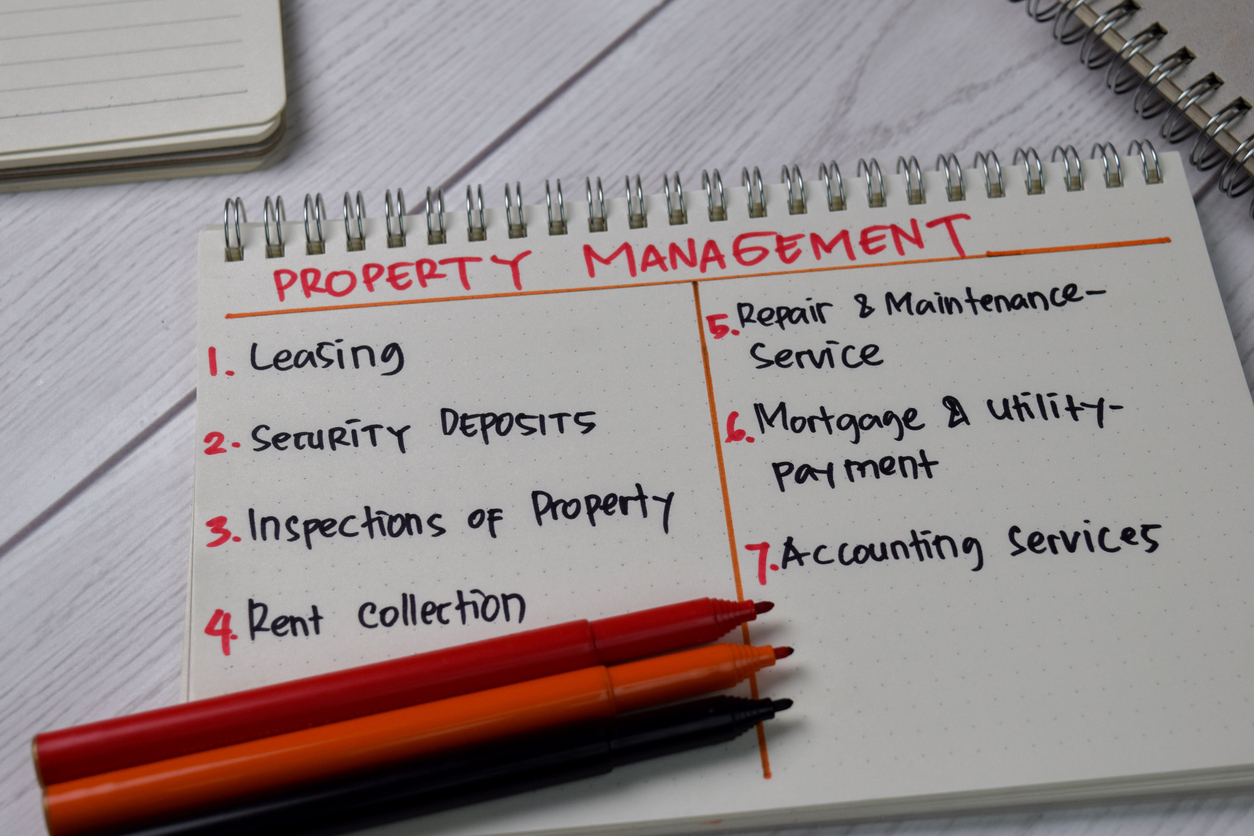
Successful rental property management is essential for maintaining a consistent flow of rental income and ensuring your property's value appreciates over time. Hire a competent property manager if you prefer not to handle day-to-day operations. Regular maintenance, adhering to landlord-tenant laws, and effective tenant relationships can reduce property damage and vacancies, ultimately securing your investment's future.
Regularly review the performance of your rental property against your financial goals. Be prepared to adjust your strategy, whether tweaking rent prices, refinancing loan terms or even selling the property to reinvest in a more profitable opportunity. Continuous reevaluation helps maximize return on investment and ensure long-term success in real estate investing.
Owning rental properties provides landlords with a regular income, typically through monthly rent payments from tenants. This consistent cash return is a reliable source of income that can significantly supplement annual income, making it an attractive investment strategy for those looking to enhance their financial stability.
Over time, real estate generally increases in value. The purchase price of a property can be significantly lower than its future value due to market trends, allowing property owners to sell their rental for a profit. This appreciation adds a lucrative dimension to the investment beyond the immediate returns from rental income.
Rental property owners benefit from various tax deductions which can include mortgage interest, property tax, operating expenses, and depreciation. These incentives can effectively reduce the taxable income of the owner and enhance the overall profitability of their investment.
Savvy investors often seek to diversify their portfolios to reduce risk. Real estate, particularly rental properties, is considered a safe asset as it isn't directly linked with the stock market. Purchasing rental properties can balance an investment portfolio and reduce financial vulnerability.
Real estate is unique for its ability to leverage the initial investment. Investors can use a relatively small amount of their own money to secure a larger purchase price through financing. This leverage can increase the potential return on investment compared to the initial outlay.
Yes, learning how to buy a rental property with no money down is possible and can be a practical approach for aspiring investors. Creative financing options such as seller financing, lease options, and partnering with investors can facilitate entering the real estate market without initial capital.
These strategies enable investors to leverage the property or collaboration with others to cover the down payment. Always ensure thorough due diligence and consider consulting with a financial advisor to tailor the strategy that suits your financial situation.
Buying a rental property is a strategic move towards financial freedom and stability, but acquiring one demands thoughtful consideration and strategic planning. Seasoned and novice investors should focus on sustainable, long-term growth rather than short-term gains to ensure they build a resilient portfolio that can withstand market fluctuations and continue to generate passive income over time.
For detailed, tailored advice that aligns with your investment aspirations, consider reaching out to Royal LePage Quest. Our expertise is your advantage in the competitive real estate market. We are committed to guiding you through each step of your real estate investment journey to ensure it is as profitable and smooth as possible.
The process of buying a house in Ontario involves several important steps that require careful planning and execution. Understanding this is crucial for prospective homebuyers to make informed
Investing in real estate by purchasing a rental property can be an excellent way to generate passive income and build wealth. It's a significant financial endeavor and a rewarding investment
The real estate market can be complex and overwhelming, especially for those without extensive experience in property transactions. That's why the decision to hire a real estate agent can be
Whether to buy or rent a house is one of the biggest financial decisions many people will make in their lifetime. It's not just about finding the perfect home but also considering various factors.
Should you require assistance in navigating our website or searching for real estate, please contact our offices at 705-327-9999.

The listing data displayed is deemed reliable but is not guaranteed accurate by CREA®. Data last updated on September 12, 2026 1:57 AM UTC The trademarks REALTOR®, REALTORS®; and the REALTOR® logo are controlled by The Canadian Real Estate Association (CREA®) and identify real estate professionals who are members of CREA®. Used under license. The trademarks MLS®, Multiple Listing Service® and the associated logos are owned by The Canadian Real Estate Association (CREA®) and identify the quality of services provided by real estate professionals who are members of CREA®. Used under license.
Show More...
The property information on this website is derived from Royal LePage listings and the Canadian Real Estate Association's Data Distribution Facility (DDF®) . DDF® references real estate listings held by brokerage firms other than Royal LePage and its franchisees. The above information is from sources believed reliable, however, no responsibility is assumed for the accuracy of this information. Contact information is provided to facilitate inquiries from consumers interested in real estate services. Please do not contact the website owner with unsolicited commercial offers.
The MLS® mark and associated logos identify professional services rendered by REALTOR® members of CREA to effect the purchase, sale and lease of real estate as part of a cooperative selling system.
The trademarks REALTOR®, REALTORS® and the REALTOR® logo are controlled by The Canadian Real Estate Association (CREA) and identify real estate professionals who are members of CREA. The trademarks MLS®, Multiple Listing Service® and the associated logos are owned by CREA and identify the quality of services provided by real estate professionals who are members of CREA.
All offices are independently owned and operated, except those marked as indicated. View important disclosures and notices about Royal LePage® trademarks at rlp.ca/notices. © 2026 Bridgemarq Real Estate Services®. All rights reserved.